
An outdated panel, insufficient amperage, or a total lack of EV charging and smart-home wiring can spook buyers before they even get past the inspection report. Fannie Mae's own appraisal guidance directs appraisers to flag physical deficiencies affecting safety and soundness, and an outdated electrical system qualifies. Fannie Mae's Selling Guide makes clear that appraisals can be made contingent on repairs.
This guide breaks down the electrical upgrades worth your money, what they typically cost, and how to prioritize them before you list your home.
Key Takeaways
- Panel upgrades to 200-amp service top the list for buyer confidence and modern capacity
- EV chargers and whole-home generators have moved from luxury to expectation in many markets
- Not every home needs a full panel replacement — a licensed inspection tells you what's actually needed
- Pairing safety upgrades (GFCI, surge protection) with modern conveniences maximizes appeal
- Unlicensed electrical work risks failed inspections and code violations that can derail a sale
Top Electrical Upgrades That Increase Home Value
Buyers and inspectors notice specific red flags — and they also reward upgrades that signal a home is ready for modern loads. Here's what matters most for resale, ranked by impact.
Electrical Panel Upgrade (100-Amp to 200-Amp Service)
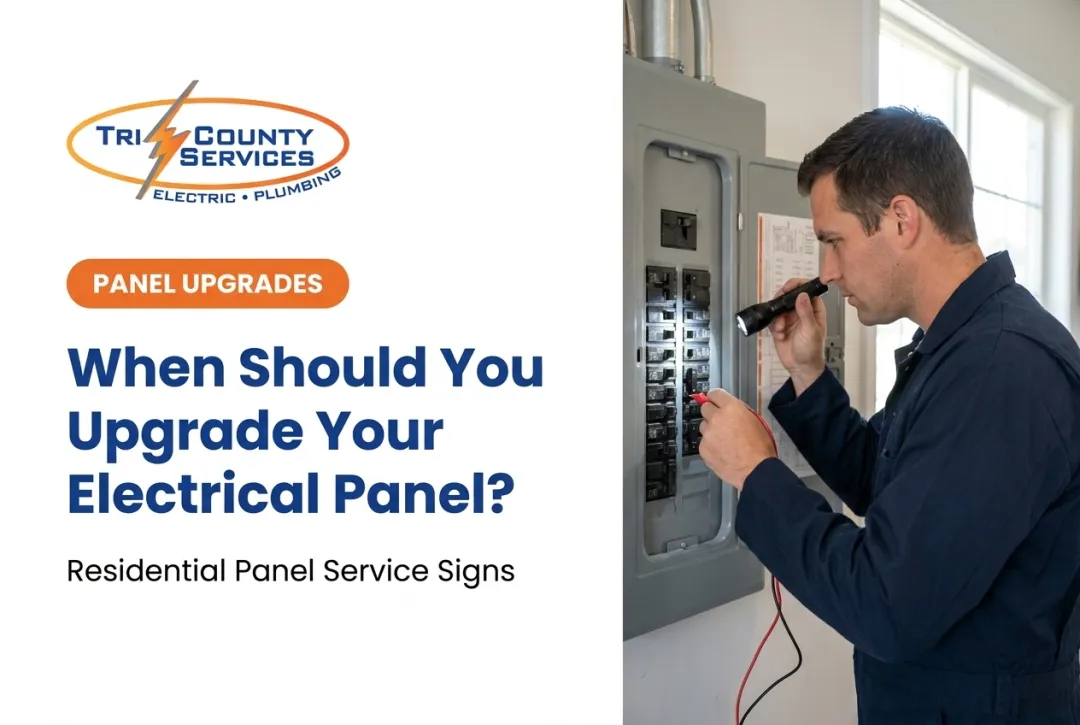
Modern homes run EVs, central HVAC, home offices, and a growing number of smart devices — all at once. A 100-amp panel, or worse, an old fuse box, simply can't keep up. Buyers and their inspectors treat this as a warning sign, not a quirk.
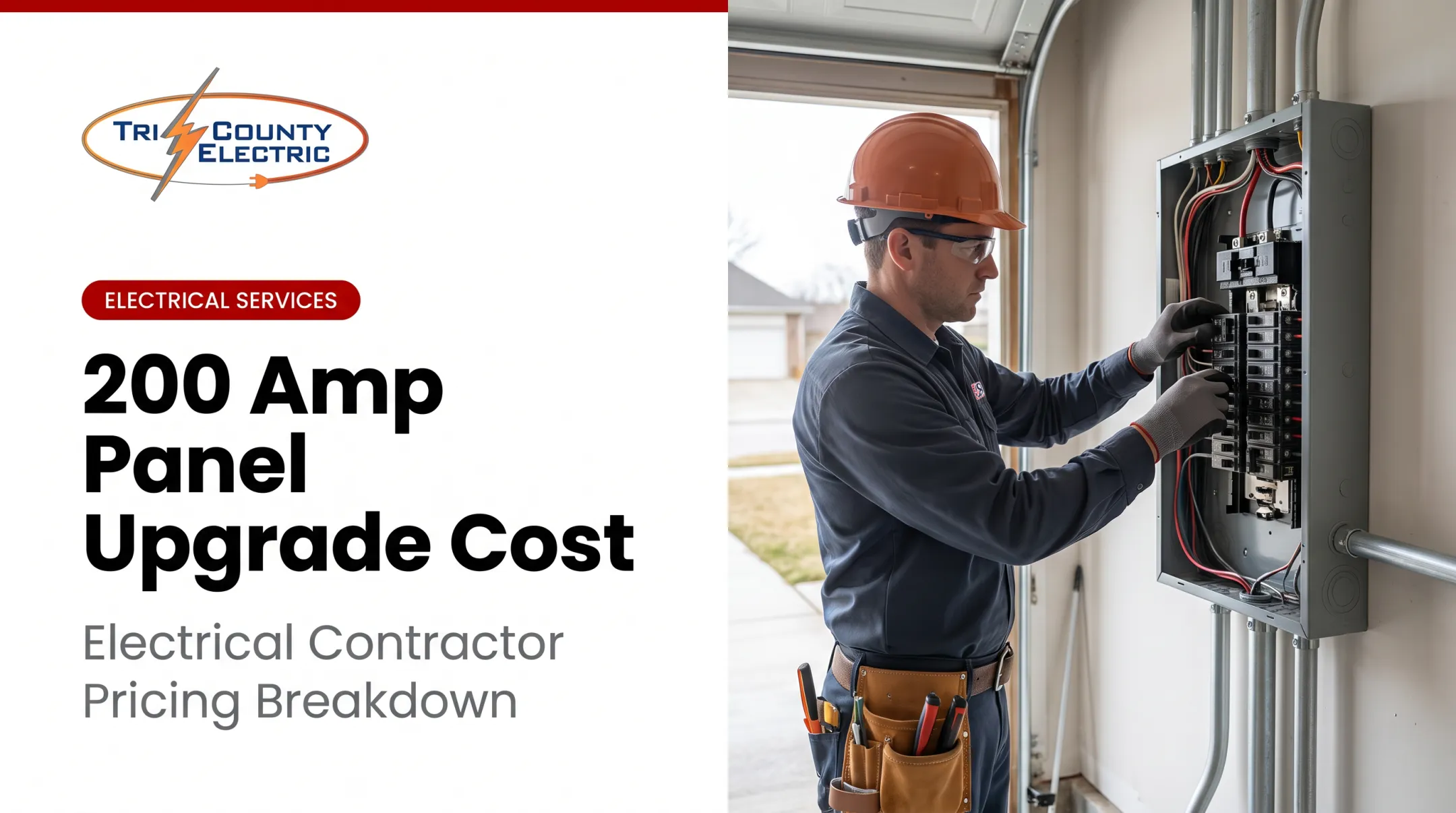
Typical cost range: This Old House reports a national range of $1,300–$3,000 for a 100-amp to 200-amp upgrade. Final cost depends on:
- Whether the utility service line also needs upgrading
- Permit fees and local code requirements
- Meter box work or subpanel additions
- Access difficulty and existing wiring condition
Is it worth it? The upgrade delivers safety, appliance readiness, and buyer confidence in one project. A home that can't support a modern electrical load is a hard sell, no matter how nice the kitchen looks.

Whole-Home Generator Installation
Power outages don't wait for convenient timing. Buyers in storm-prone regions increasingly ask about backup power before making an offer, and a hardwired standby generator answers that question before it's even raised.
A properly installed standby system typically includes:
- Load sizing matched to your home's critical circuits
- A transfer switch that prevents dangerous backfeed into the grid
- Permitting and inspection-ready wiring by a licensed contractor
Tri-County Services is a Generac Certified Installer and handles sizing through transfer-switch wiring. The Pacific Northwest National Laboratory notes that this work should always involve a licensed electrical contractor.
EV Charger Installation
More than three-quarters of EV owners charge at home. Combined electrified vehicles reached roughly 22% of new U.S. sales in 2025, according to EIA data, so a Level 2 charger is shifting from niche perk to standard buyer ask.
As a Tesla EV Charger Certified Installer, Tri-County checks panel capacity, matches the charger to your vehicle, and completes the 240-volt wiring a Level 2 unit needs.
Whole-Home Surge Protection & Smart Home Wiring
A lightning strike or grid spike can damage TVs, computers, and appliances across the house. Whole-home surge protection at the main panel guards every circuit — not just what sits on a $30 power strip.
Tri-County also runs structured low-voltage wiring for:
- Network distribution and smart-device integration
- Audio/video and media-room setups
- Security system support
Tech-forward buyers notice this. CEDIA cites NAR research showing 11% of buyers named smart-home features as a reason they purchased a home.
Updated Outlets, Switches, and GFCI Compliance
Two-prong outlets and missing GFCI protection are exactly the kind of thing a home inspector writes up in bold. Under the 2023 NEC, GFCI protection is required for essentially all kitchen receptacles, not just those near the sink.
Common issues Tri-County electricians flag during inspections:
- Ungrounded outlets near water sources
- Non-functioning GFCIs that won't reset
- Loose connections, cracked faceplates, damaged wiring
- Warm, discolored, or sparking outlets
Fixing these before listing prevents inspection delays and shows buyers the electrical system meets current safety expectations.

Energy-Efficient Lighting & Fixture Upgrades
LED retrofits are one of the cheapest upgrades with the fastest payback. According to the U.S. Department of Energy, ENERGY STAR-qualified LEDs use 75-80% less energy and last roughly 25 times longer than the incandescent bulbs they replace.
Beyond swapping bulbs, a few upgrades consistently boost curb appeal and buyer perception:
- Landscape lighting — low-voltage LEDs on paths, patios, and entryways improve safety and nighttime curb appeal
- Smart lighting controls — dimmers and timers cut waste and match what today's buyers expect
- Updated ceiling fans — low-cost swaps buyers notice when old fixtures look dated
None of these require a major renovation budget, yet they change how a home feels the moment someone walks in.
Signs Your Home's Electrical System Is Outdated
Not sure if your home needs attention? Watch for these warning signs:
- Breakers that trip frequently, especially with normal appliance use
- Flickering or dimming lights not tied to a single fixture
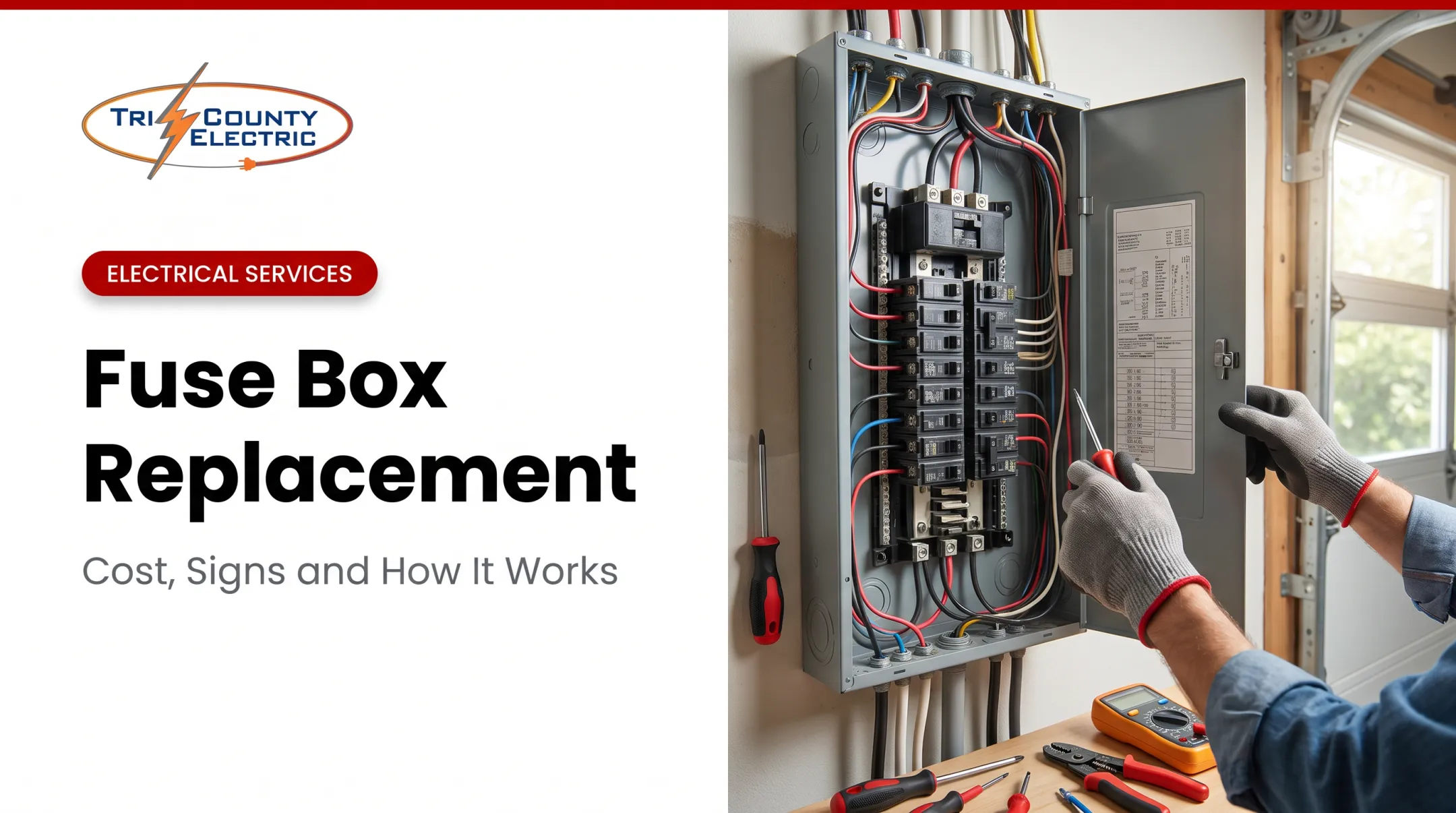
- A fuse box instead of a modern breaker panel
- Buzzing sounds or a burning smell near the panel
- Warm or discolored outlet covers
Homes built in the 1960s and 1970s sometimes have aluminum wiring, which the CPSC has warned about due to overheating risks at terminals and switches.
Age alone doesn't guarantee a problem. An electrical inspection is the fastest way to find out what actually needs attention before you invest in upgrades.
How Much Do These Upgrades Cost (and What's the Return)?
Published national averages give you a starting point, though every home's scope is different:
| Upgrade | Typical Cost Range |
|---|---|
| Panel upgrade (100A to 200A) | $1,300 – $3,000 |
| Whole-home generator | $1,516 – $8,810 (avg. ~$5,160) |
| Permanent standby generator | $5,000 – $25,000 |
| EV charger (Level 2, installed) | $700 – $2,000+ |
| Whole-house surge protector | $70 – $700 (avg. ~$300) |
| Full home rewiring | $603 – $2,593 (avg. ~$1,567) |
Ranges sourced from This Old House, HomeAdvisor, and Angi published cost guides.
Unlike kitchen remodels, electrical upgrades don't come with a single published ROI percentage. The pattern for buyers is still clear: safety and capacity upgrades matter more than cosmetic ones. A panel that can't support modern appliances is a dealbreaker in a way that dated cabinet hardware isn't.

Before committing to any of this, get a written estimate. Tri-County Services provides free estimates with upfront pricing — no inflated quotes, no unnecessary upselling.
Why Work With a Licensed, Certified Electrician
Skipping a licensed electrician to save money is a bet that rarely pays off. Unlicensed or DIY electrical work risks:
- Failed home inspections that stall or kill a sale
- Code violations discovered during buyer due diligence
- Voided insurance coverage in some jurisdictions
- Genuine fire and shock hazards
The CPSC has warned that untrained electrical work can cause serious or fatal shock. A licensed, certified electrician protects your household and keeps value-adding upgrades inspection-ready.
Tri-County Electric Service has operated as a family-owned company since 1975, with licensed electricians serving Northeast Ohio, Southwestern Ohio, and Northern Kentucky. As a Generac Certified Installer and Tesla EV Charger Certified Installer, the team handles the upgrades buyers actually look for.
Same-day service and flexible scheduling let you plan electrical work around your renovation timeline instead of the other way around.
Frequently Asked Questions
How much does it cost to upgrade your electrical?
Costs vary widely by scope. A panel-only upgrade typically runs $1,300–$3,000. Rewiring is priced separately and often falls around $600–$2,600 depending on how much of the home needs work. Get an itemized estimate, since your wiring condition drives the final price.
How much does it cost to upgrade from 100 amp to 200 amp service?
Nationally, this runs $1,300 to $3,000, according to This Old House. Service line changes, permits, and access difficulty push costs toward the higher end.
Can I upgrade my electrical panel without rewiring my house?
Often, yes. Panel upgrades and rewiring are separate projects unless an inspection finds unsafe wiring, such as aluminum or knob-and-tube. A licensed electrician can tell you during the initial assessment.
Does upgrading to 200 amp service increase home value?
It supports value by enabling modern appliances, EV charging, and buyer confidence during inspection. There's no fixed dollar premium, but it removes a common deal-breaker for buyers.
What is considered an outdated electrical panel?
Fuse boxes, panels rated under 100 amps, or panels older than 20-30 years are typically flagged as outdated. These often can't handle modern electrical loads safely.
What is the "Big 3" electrical upgrade?
It's informal industry shorthand, not an official code term, generally referring to panel/service capacity, wiring condition, and grounding/bonding. These three areas cover most major electrical concerns in older homes.