
As temperatures begin to fall across Northeast Ohio, now is the perfect time to prepare your plumbing system for winter. Taking a few preventative measures before freezing weather arrives can help protect your home from costly water damage, frozen pipes, and unexpected plumbing emergencies.
At Tri-County Services, we recommend tackling a few simple tasks now so you can have peace of mind when winter weather settles in.
Why Winter Plumbing Preparation Matters
When temperatures drop below freezing, water inside pipes can freeze and expand. This expansion puts pressure on plumbing lines and can cause pipes to crack or burst. The resulting leaks can lead to significant water damage, expensive repairs, and major disruptions to your home.
Fortunately, a little preparation can go a long way toward reducing these risks.
1. Disconnect Outdoor Hoses
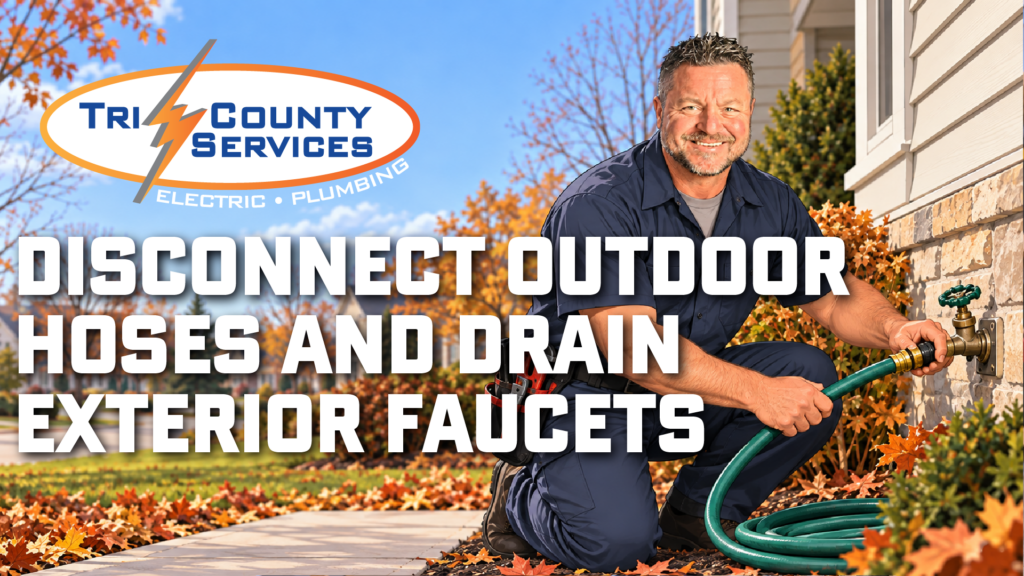
One of the easiest and most important winter plumbing tasks is disconnecting all garden hoses from outdoor faucets.
When a hose remains attached, water can become trapped inside both the hose and the connected faucet. As temperatures drop, that water can freeze, potentially causing damage to the faucet, pipe, or hose bib.
Tips:
- Remove all outdoor hoses before the first hard freeze.
- Drain any remaining water from hoses before storing them.
- If possible, shut off and drain exterior water lines.
2. Insulate Exposed Pipes
Pipes located in unheated or poorly insulated areas are especially vulnerable during winter. Common locations include:
- Basements
- Crawl spaces
- Garages
- Attics
- Exterior walls
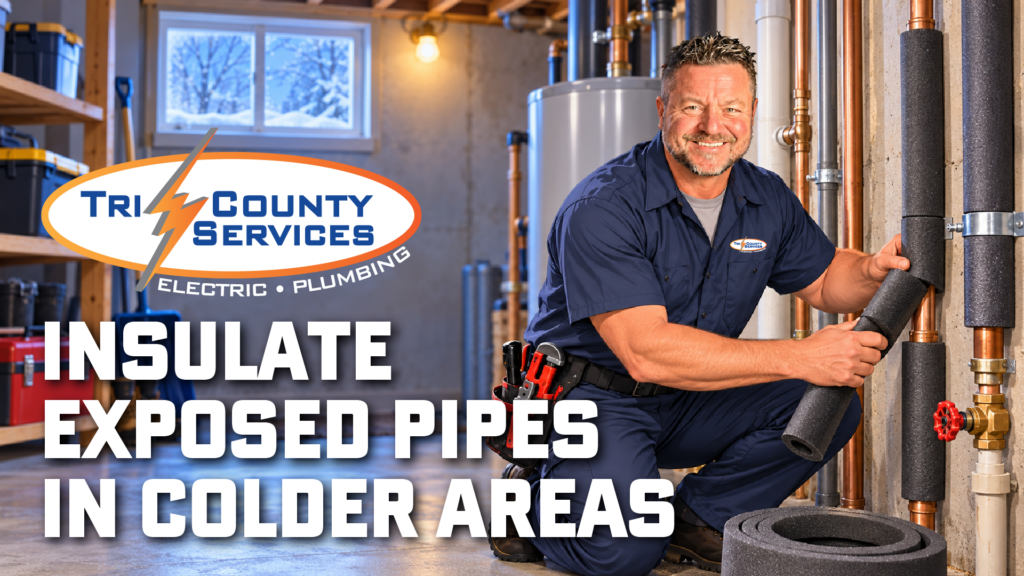
Adding insulation to exposed pipes can help maintain warmer pipe temperatures and reduce the risk of freezing.
Common Pipe Insulation Options:
- Foam pipe sleeves
- Fiberglass pipe wrap
- Heat tape (installed according to manufacturer recommendations)
A relatively small investment in insulation today may help prevent major plumbing repairs later.
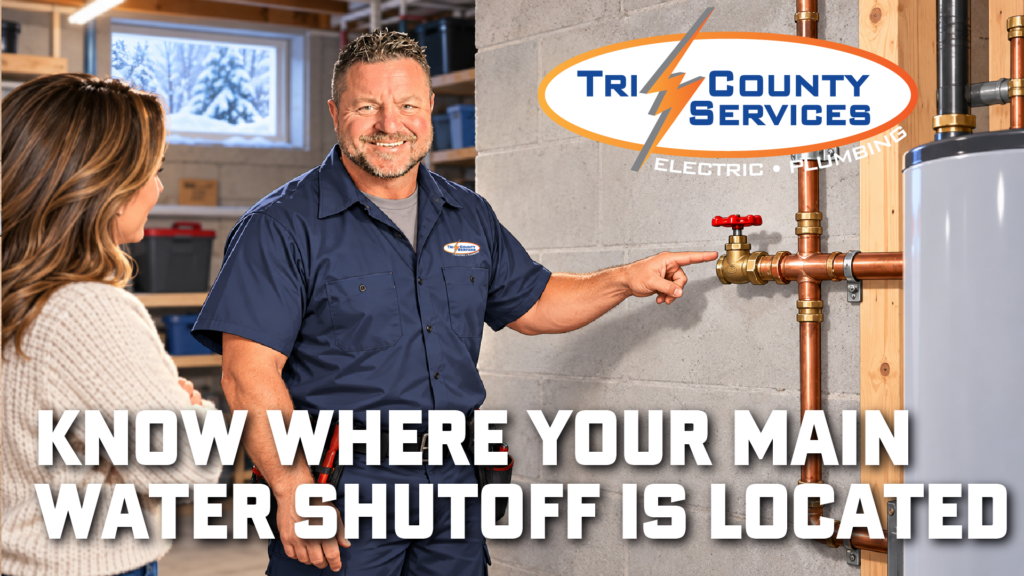
3. Know Where Your Main Water Shutoff Valve Is Located
Every homeowner should know the location of their main water shutoff valve before an emergency occurs.
If a pipe freezes and bursts, quickly shutting off the water supply can help minimize flooding and water damage. During an emergency, every minute counts.
Make Sure You:
- Locate your main shutoff valve.
- Verify it operates properly.
- Ensure all household members know where it is located.
Knowing how to shut off your home’s water can save valuable time if a plumbing issue arises.
Additional Winter Plumbing Tips
For even greater protection during cold weather, consider these additional steps:
Keep Indoor Temperatures Consistent
Avoid allowing indoor temperatures to drop too low, even if you’re away from home.
Seal Air Leaks
Close gaps around windows, doors, and pipe entry points where cold air may reach plumbing lines.
Let Faucets Drip During Extreme Cold
Allowing a small stream of water to flow can help prevent freezing in vulnerable pipes during severe cold snaps.
Schedule a Professional Plumbing Inspection
A professional inspection can identify potential issues before they become winter emergencies.
Don’t Wait Until a Pipe Freezes
The best time to prepare your plumbing for winter is before temperatures reach freezing levels. By disconnecting outdoor hoses, insulating exposed pipes, and locating your main water shutoff valve, you can help protect your home from preventable winter plumbing problems.
If you’d like professional assistance getting your plumbing system winter-ready, the team at Tri-County Services is here to help. Our experienced plumbers can inspect your system, address problem areas, and provide recommendations to help keep your home protected throughout the winter season.
Need help preparing your plumbing for winter? Contact Tri-County Services today to schedule a plumbing inspection and winterization service.