
If several drains run slowly or back up at once, and you also hear gurgling or smell sewage, you most likely have a main sewer clog, and the right move is to stop using water and call a professional right away. Raw sewage carries harmful bacteria, viruses, and intestinal worms, according to the EPA. Our team at Tri-County Services Electric & Plumbing can inspect the line.
TL;DR:
- If multiple fixtures back up when the washer or dishwasher runs, or plunging gives only brief relief, suspect a shared downstream blockage rather than a local clog.
- Stop all water use, keep children and pets away from sewage, avoid chemical cleaners, and photograph damage before contacting a professional.
- Roots enter through existing pipe gaps, while grease, wipes, aging pipes, or heavy storms that overload public sewers can also trigger backups.
- Camera inspection identifies roots, grease, or structural damage, guiding whether professionals use snaking, hydro jetting, spot repair, or lateral replacement.
- If the blockage appears to be in the public sewer, contact the municipal sewer maintenance hotline; homeowners are typically responsible for the building sewer.
Table of Contents
- What are the main sewer clog signs you should look for?
- What commonly causes a main sewer clog?
- How do you tell a main sewer clog from a single-fixture clog?
- What should you do right now, and when should you call a professional?
- How do professionals diagnose and repair a main sewer clog?
- Why do we recommend early inspection?
- How can you get help from Tri-County Services Electric & Plumbing?
- FAQ
- Sources
What are the main sewer clog signs you should look for?
The clearest sign of a clogged sewer line is a pattern: more than one fixture misbehaving at the same time. A slow drain at one fixture is usually a local problem. Several affected fixtures together point to the main line. Here is what to watch for:
- Slow drains throughout the house. Toilets, tubs, and sinks all drain sluggishly, often at the same moment.
- Gurgling from drains or toilets. Air forced through trapped water makes bubbling sounds, especially when another fixture is running.
- Persistent sewage odors. A foul smell inside the home or around the yard can signal a blockage or a leak in the line. Wisconsin DNR building sewer guidance lists unusual odors near the home as a warning sign.
- Sewage backing up. Dark, smelly water rising in a toilet, tub, or basement floor drain is an emergency.
- Outdoor clues. Soggy patches, unusually lush grass, or water pooling near the cleanout can mean the lateral is blocked or leaking.
Health note: The EPA says children, the elderly, and people with weakened immune systems face higher risk of illness from sewage exposure, so a backup is never just a cleanup chore.
If you recognize several of these signs together, treat it as a main line problem. We recommend calling a professional before the situation spreads to your floors and walls.
What commonly causes a main sewer clog?
Most main line clogs build slowly, which is why the warning signs often start small. Knowing the usual culprits helps you avoid the habits that feed them.
- Tree roots. Roots are drawn to moisture and nutrients near your sewer lateral. According to N.C. Cooperative Extension, they enter through existing gaps and leaks and form dense obstructions. Sound pipes are not usually cracked open by roots; they exploit weak spots.
- Grease, oils, and fats. Cooking grease cools inside the pipe, sticks to the walls, and collects other debris until water can barely pass.
- Items that do not break down. Wet wipes, feminine hygiene products, and paper towels get caught and pile up, even when the package says flushable.
- Aging or damaged pipe. Older clay and cast iron deteriorate, sag, or collapse in places, creating a spot where waste catches.
- Municipal overload. Heavy storms can overwhelm the public sewer and cause backups that look just like a private clog.
Pro Tip: Keep grease out of the sink entirely. Let it cool, wipe the pan into the trash, and flush only toilet paper.
Prevention helps, but it cannot fix a blockage that already exists. Once symptoms show up, the cause is usually out of sight, and that is where professional diagnosis earns its keep.
How do you tell a main sewer clog from a single-fixture clog?
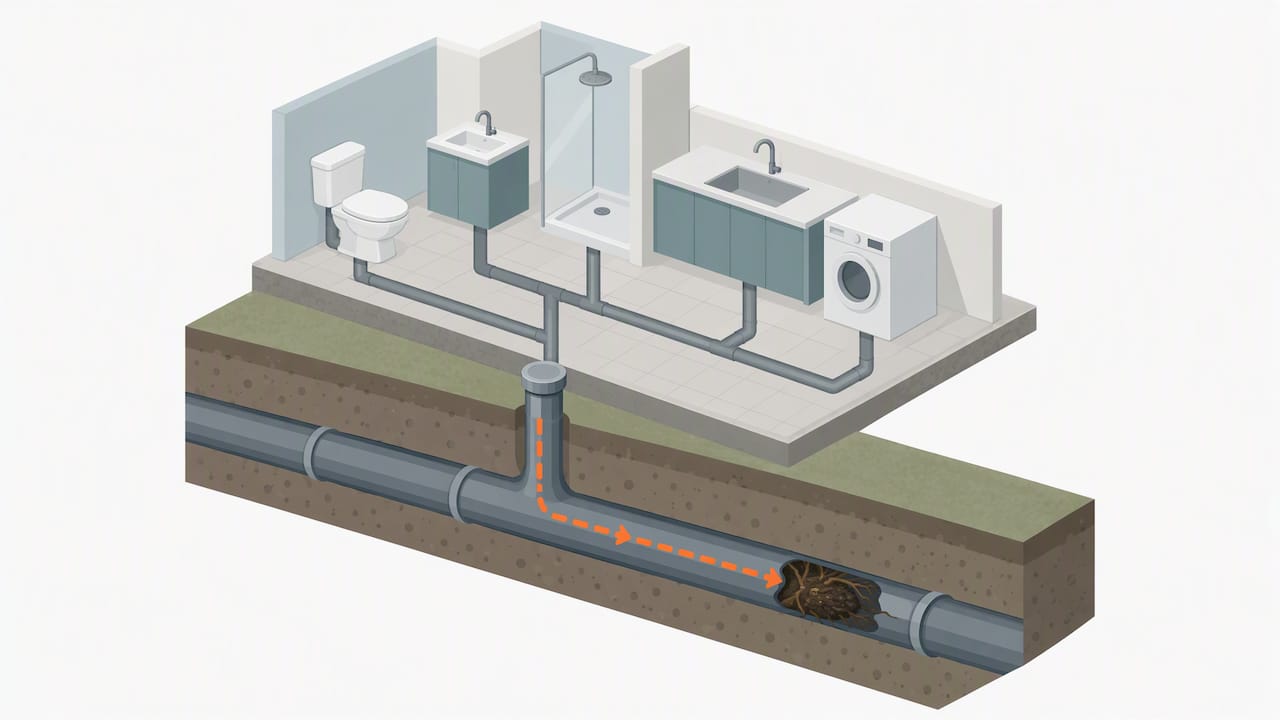
The fastest test is to count how many fixtures are affected and when. Work through this checklist:
- Check the fixtures. A problem limited to one fixture usually means a local clog. Several affected fixtures at once can point to the shared main line.
- Notice the trigger. If water surfaces in a tub or floor drain when the washing machine or dishwasher runs, a common downstream blockage is the likely cause.
- Check what plunging does. If a plunger gives only short relief or nothing at all, the blockage is probably farther down the line than that fixture.
- Look outside. Water at the cleanout, soggy yard areas, or water rising in basement floor drains points to the main line or lateral.
- Listen and smell. Gurgling in one fixture when you flush another, plus a sewer smell, strengthens the case for a main line problem.
A true single-fixture clog is a different situation from a main line problem, and we cover that distinction in our guide to a clogged drain. Still, even then, a professional can clear it without the risk of pushing debris deeper into your plumbing. When in doubt, the main line is the safer assumption.
What should you do right now, and when should you call a professional?
Your first priorities are safety and limiting the damage. Take these steps in order:
- Stop using water. Do not flush, run the dishwasher, or start laundry. Every gallon you send down has nowhere to go.
- Keep everyone away from sewage. Keep children and pets out of the area, wear gloves if you must enter, and ventilate the room.
- Skip the chemical drain cleaners. They are ineffective on a main line blockage, and the harsh chemicals can worsen the condition of a damaged pipe.
- Document the damage. Take photos of affected floors, walls, and belongings for your insurance claim.
- Call a professional. Phone us at (440) 253-0332 so we can schedule an inspection and give you an estimate.
Call immediately if sewage is in your living space, if backups return after plunging, if you see leakage or pooling in the yard, or if multiple fixtures are affected. If the problem seems to come from the public sewer, EPA enforcement guidance notes you should also contact your municipal sewer maintenance hotline.
Pro Tip: Know where your cleanout is before you need it. It speeds up the professional’s access and keeps the visit short.
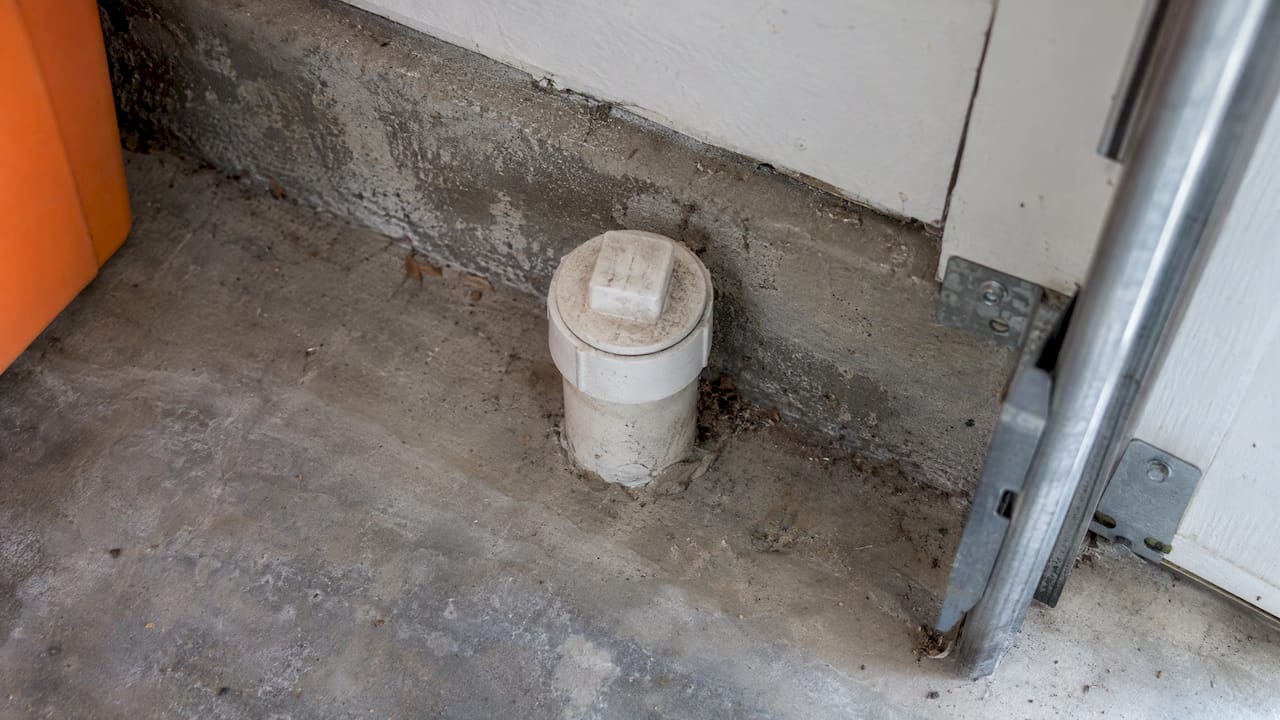
Trying fixes on your own first costs time you do not have. A trained professional has the equipment to find the actual cause and the protective gear to work around sewage safely.
How do professionals diagnose and repair a main sewer clog?
Proper diagnosis starts with seeing inside the pipe. Guessing leads to repeat clogs and unnecessary digging.
- Camera inspection. A small camera runs through the line to locate the blockage and show what caused it, whether roots, grease, or a collapsed section. Public utility guidance from San Francisco’s utility recommends CCTV inspections to identify defects in the lateral, and we explain the value of this in our article on camera-first sewer inspections.
- Snaking. A cable with a cutting head breaks through certain blockages and restores flow.
- Hydro jetting. High-pressure water scours grease and root material from the pipe walls. We compare the two methods in hydro jetting vs. snaking, and the camera findings guide which one makes sense.
- Repair or replacement. If the camera shows structural damage, we may recommend spot repair or a full lateral replacement. Our overview of what to expect from sewer line repair walks through that process, and the signs of severe pipe failure show when excavation becomes necessary.
- Cleanout access. We reach the building sewer through your cleanout, and if the trouble is in the public main, the city needs to be involved.
Homeowners are typically responsible for the building sewer, so a thorough assessment protects your investment. Forcing mechanical tools into old pipe can worsen damage, which is one more reason to leave this work to us.
Why do we recommend early inspection?
In our experience, calling at the first slow drain or gurgle can help identify a problem before a backup. Early camera inspection lets us find a root intrusion or a grease buildup while it is still a cleaning job instead of a replacement. We also see people try risky fixes first, and the result is often a bigger problem plus a health risk they did not need to take. Sewage is not something to experiment with. If you suspect a main sewer clog, call us at (440) 253-0332 for an assessment and safe service.
— Lindsay Paramore
How can you get help from Tri-County Services Electric & Plumbing?
When your main line is in trouble, we make the next step simple. Our relevant services include:
- Drain cleaning
- Sewer camera inspection
- Hydro jetting
- Sewer repair and replacement
On a service call, we inspect the line, show you the camera results, explain the recommended remedy, and give you a quoted price before work begins. You can review typical costs in our plumbing pricing guide, and you can read about our drain cleaning and sewer inspection services in Cleveland.

Do not wait for sewage to reach your floors. Call us at (440) 253-0332 to schedule an inspection or emergency service today.
FAQ
What will unclog a main sewer line?
A professional clears a main line with snaking or hydro jetting, chosen after a camera inspection shows what is blocking the pipe. Store-bought chemical cleaners are ineffective on main line blockages and can harm a damaged pipe. We recommend calling us rather than trying treatments yourself.
What are four signs that your sewer line is broken?
The most common signs are slow drains across several fixtures, gurgling from drains or toilets, persistent sewage odors, and sewage backing up into tubs or floor drains. Soggy or unusually lush patches in your yard can also point to a damaged line. Wisconsin DNR guidance recommends calling a plumber for inspection when you see these signs.
How long does it take a plumber to unclog a main sewer line?
Some clogs can be cleared during a visit, but the time depends on what is blocking the pipe and how easy the cleanout is to reach. A camera inspection first shows the cause, which keeps the work focused. If the pipe is damaged, repair takes longer, and we explain the timeline before we start.
What are the signs that my drain pipe is clogged?
Look for water draining slowly, standing water in sinks or tubs, and gurgling sounds when water runs. If only one fixture is affected, the clog is probably local. If several fixtures are affected together, the main line is the likely location.
Sources
- Sanitary Sewer Overflow (SSO) Frequent Questions | US EPA
- Tree Roots and Sewer Lines – Union County Center | N.C. Cooperative Extension
- Sewer Laterals
- Building Sewer Maintenance and Repair PUB-WT-848-2006