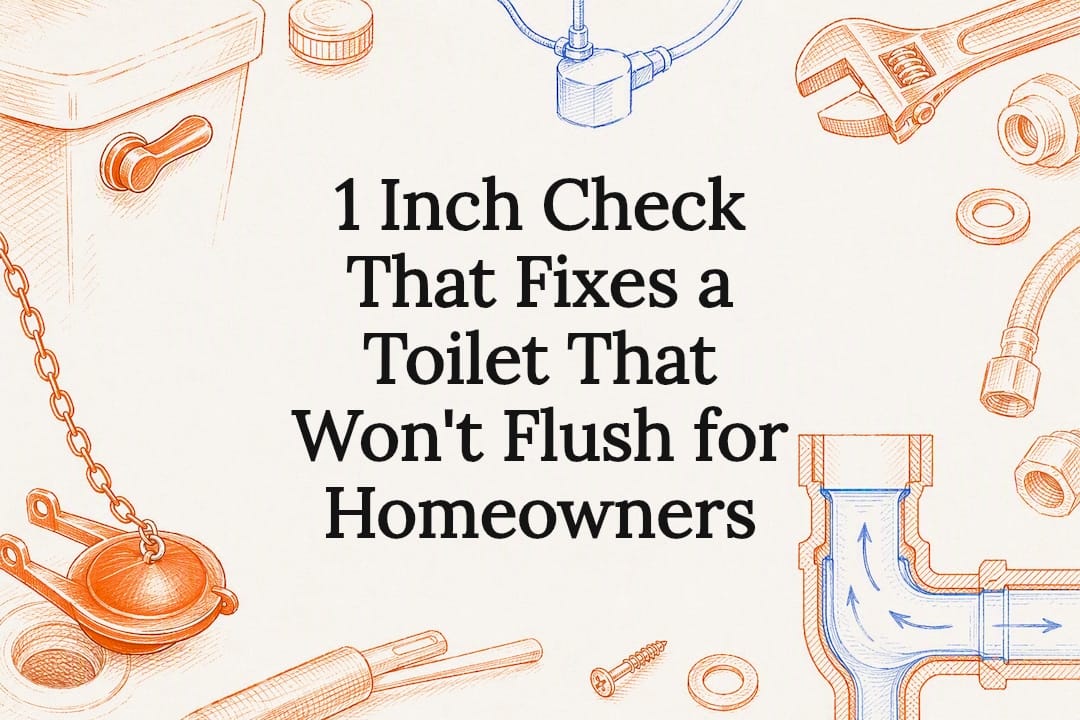


A toilet that won’t flush usually comes down to one of four things: a clog in the trap, low water in the tank, a broken flapper or lift chain, or mineral-clogged rim jets. Lift the tank lid first. If the water sits more than an inch below the overflow tube, or the handle feels loose with no resistance, you’ve likely found your answer. If the bowl is rising instead of draining, shut off the water at the wall valve immediately. Most of these problems are fixable in minutes; a few mean it’s time to call a professional.
TL;DR:
- Most flushing issues stem from low water levels, mineral buildup, or a faulty flapper inside the tank, not just simple clogs.
- The water level in the tank should be about one inch below the overflow tube to ensure proper flush power.
- Checking the lift chain slack and inspecting the flapper for leaks can often fix flushing problems quickly without professional help.
- Weak flushes caused by mineral scale clogging rim or siphon jets may need cleaning with vinegar or a wire, and persistent issues could signal deeper sewer or vent problems.
- Repeated failure to resolve flushing issues with DIY fixes indicates a need for a professional inspection, especially when multiple fixtures are affected or there are signs of sewer system backup.
Table of Contents
- How to Tell Which Toilet Flush Problem You Have
- Fixing the Tank: Chain, Flapper, Fill Valve, and Float
- Clearing a Clog Without Damaging Your Toilet
- Restoring Flush Power by Cleaning the Rim Jets
- When Sewer, Vent, or Septic Problems Are the Real Cause
- Fast Fixes If Your Toilet Is About to Overflow
- What Tri-County Technicians Check First
- The Fastest Fix Isn’t Always the Right One
- Get Your Flush Fixed Right the First Time
- Sources
- FAQ
How to Tell Which Toilet Flush Problem You Have
Before you touch a single part, watch how the toilet behaves. The symptoms point you straight to the cause, which saves you from plunging a problem that plunging can’t fix.
- Bubbling, gurgling, or a slow drain usually signals a clog somewhere in the trap or drain line.
- Bowl drains but water looks weak or leaves residue on the sides points to reduced flush power, often from blocked rim jets or a low tank water level.
- Handle has zero resistance when pressed almost always means the lift chain has come disconnected inside the tank.
- Handle resists normally but nothing happens in the bowl suggests a bad flapper or a stuck fill valve.
- Tank water sits more than an inch below the overflow tube is a classic low-water flush problem.
- Water keeps trickling into the overflow tube means the fill valve isn’t shutting off, which wastes water and can eventually flood the tank.
- Other fixtures gurgle or drain slowly too points toward a vent or sewer issue well beyond the toilet itself.
If the bowl is climbing toward the rim, turn off the shutoff valve behind the toilet right now and bail water into a bucket before it spills onto your floor.
Fixing the Tank: Chain, Flapper, Fill Valve, and Float
Once you’ve ruled out a clog, the fix is almost always inside the tank. Lift the lid off carefully and set it somewhere padded. Porcelain lids chip easily, and a chipped lid usually means a full replacement.
Here’s the order to check things in:
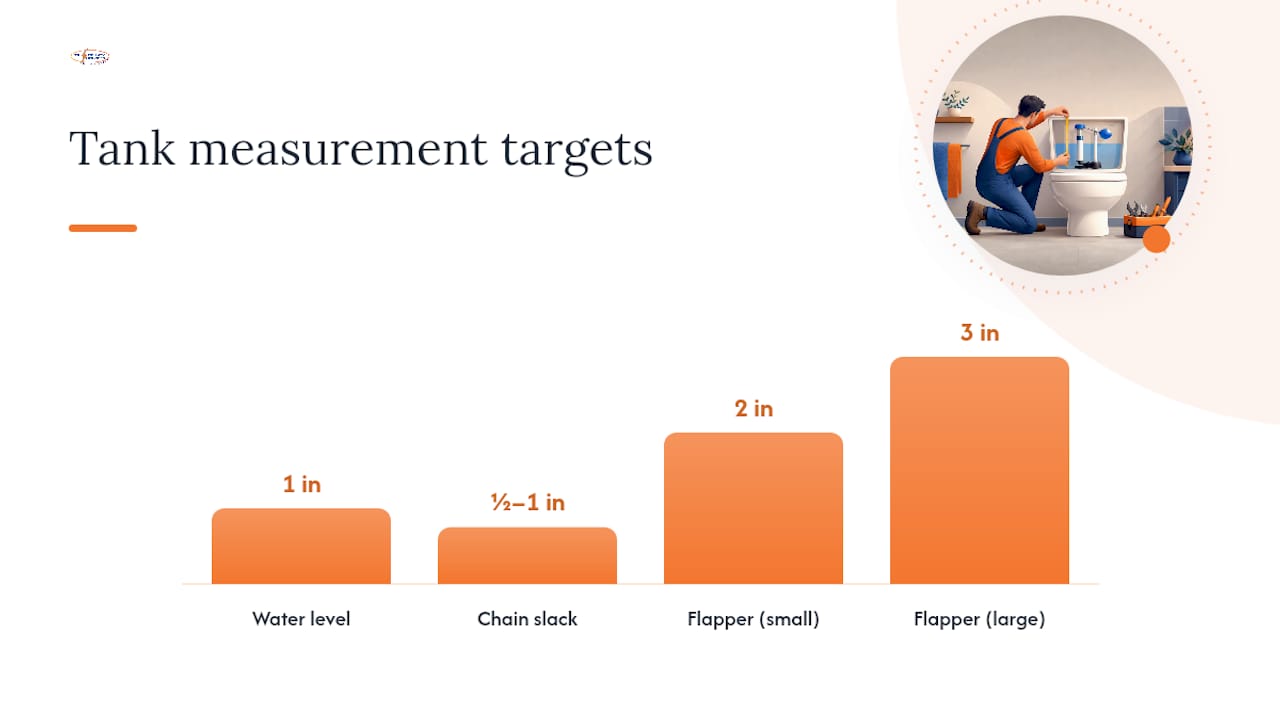
- Look at the water level first. It should sit about 1 inch below the top of the overflow tube. Any lower and you’re not getting enough water to power a full siphon.
- Check the lift chain. You want roughly a half inch to one inch of slack when the flapper is closed. Too tight and the flapper never seals; too loose and pressing the handle does nothing.
- Inspect the flapper for wear. Run a finger along the rubber. If it comes away with black streaks or feels slimy and soft, it’s degrading and letting water leak into the bowl between flushes. Flappers come in 2 inch and 3 inch sizes, so check the seat before buying one; replacements typically run $10 to $20.
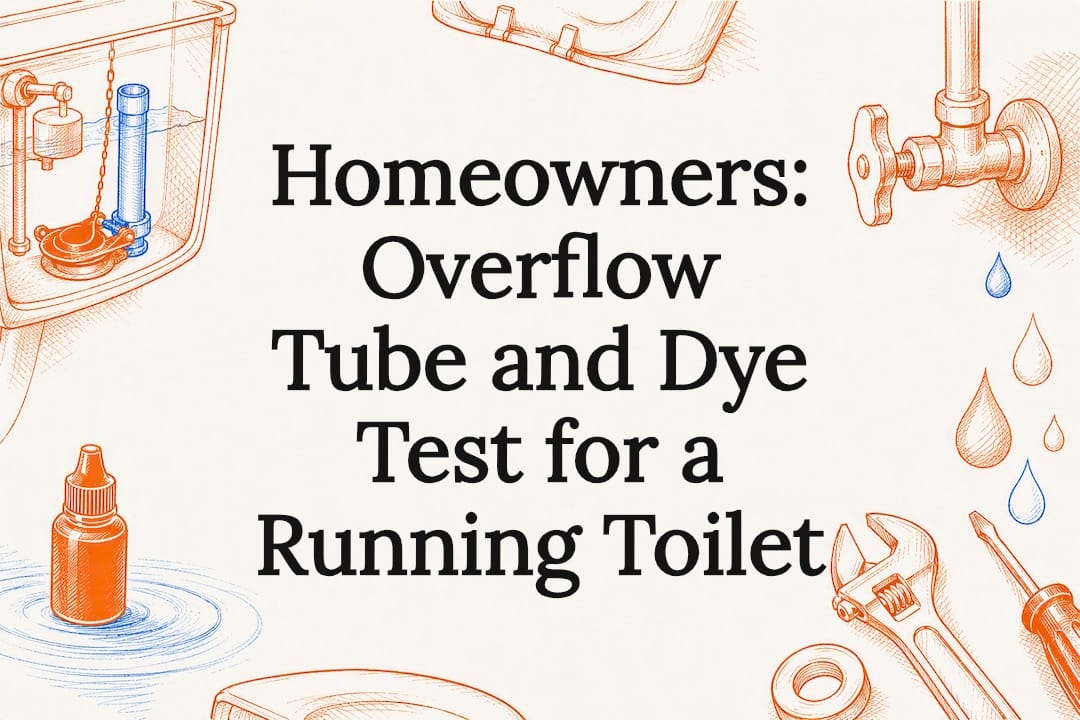
- Test with the dye method. Drop a few drops of food coloring into the tank, wait 10 to 15 minutes without flushing, then check the bowl. Color showing up in the bowl confirms a leaking flapper that’s silently draining your tank between uses.
- Adjust the float. Older ball-style floats bend at the arm; newer vertical floats have a clip you slide up or down the fill valve stem. Either way, you’re aiming for that 1 inch mark below the overflow.
- Check the refill tube. It should clip into the top of the overflow tube, not just dangle loose. A popped refill tube means the bowl never gets its post-flush water back.
Pro Tip: Always shut off the water at the wall valve and flush to drain the tank before swapping any part. Working in a full tank is how minor repairs turn into soaked bathroom floors.
Clearing a Clog Without Damaging Your Toilet
Start with the tool actually built for this job: a flange (bell-shaped) plunger, not the flat cup style meant for sinks.
- Plunge with a full seal. Submerge the plunger head completely, press down slowly to push air out, then pump firmly for 15 to 30 seconds. Stop and bail if the bowl looks like it’s about to overflow.
- Move to a toilet auger if plunging fails. Feed the cable in slowly and rotate the handle as you push. Never force it. Cranking against resistance can crack the porcelain trap, turning a $20 fix into a new toilet.
- Try hot water and dish soap on stubborn clogs. Pour a few squirts of dish soap into the bowl, then add hot (not boiling) water from waist height to help it work down into the clog. Give it 10 to 15 minutes before plunging again.
- Skip the chemical drain cleaners. Caustic cleaners can damage the porcelain and pipe seals, and if you’re on a septic system, they can throw off the bacterial balance that keeps it working.
- Stop if you’ve tried twice and nothing’s moved. Repeated failed attempts, an overflowing bowl, or a dropped object (toys and toothbrushes are common culprits) mean the clog is likely deeper than a plunger or auger can safely reach.
If your drain keeps clogging even after clearing it once, that’s usually a sign of a bigger problem downstream rather than a fluke.
Restoring Flush Power by Cleaning the Rim Jets
Weak flushes that aren’t caused by low water or a bad flapper often come down to the small holes under the toilet rim. Those rim jets create the swirling action that pulls waste down; when they’re clogged with mineral scale, the water just dribbles out instead of circulating.
- Use a small mirror to check the underside of the rim for white, crusty buildup or an orange mineral stain.
- Soak a rag in white vinegar and tuck it against the rim overnight to loosen scale, or use a commercial descaler made for toilets.
- Use a stiff wire (an old coat hanger works) to gently clear each jet hole, working slowly to avoid scratching the glaze.
- Check the siphon jet at the bottom of the bowl, too. Mineral buildup there is one of the most overlooked causes of a weak flush, and homeowners tend to skip straight to plunging instead.
Pro Tip: If flush power stays weak after cleaning, the fill valve itself may not be delivering enough volume fast enough. That’s a sign the valve, not the jets, needs replacing.
When Sewer, Vent, or Septic Problems Are the Real Cause
Sometimes the toilet is just the messenger. If the trouble is deeper in your plumbing system, no amount of plunging or part-swapping fixes it.
- Multiple fixtures (sink, shower, tub) draining slowly or gurgling at the same time points to a shared line problem, not an isolated toilet issue.
- Persistent gurgling from drains or vents, especially after a flush, often means a blocked roof vent pipe (leaves, nests, or ice are common culprits) disrupting the air pressure the system needs to drain properly.
- A foul sewer smell anywhere in the house, or backups that show up during heavy rain, points toward a compromised sewer line.
- Septic tank issues show up as slow drains across the whole house paired with soggy or smelly patches in the yard, and those need a septic specialist, not a toilet repair kit.
These symptoms generally call for professional inspection, often with a camera scope to see exactly where the blockage or damage sits before recommending repair or hydrojetting.
Fast Fixes If Your Toilet Is About to Overflow
If water’s climbing toward the rim, act fast and skip the troubleshooting for now.
- Shut off the water supply. Turn the oval valve behind the toilet clockwise until it stops.
- Force a manual flush if the tank is empty. Pour about 1 gallon of water into the bowl quickly and forcefully; the sudden volume can trigger a siphon even without the tank’s help.
- Bail excess bowl water into a bucket before attempting anything else, and disinfect the bucket, floor, and your hands afterward.
- Call a professional immediately if the water keeps rising, if this is the second or third time this week, or if you suspect something solid is stuck in the trap.
What Tri-County Technicians Check First
DIY troubleshooting has a ceiling. Once you’ve checked the water level, chain, and flapper without luck, or if the toilet keeps backing up, it’s time to bring in someone who deals with this daily.
“The toilet doesn’t care how many videos you watched. It cares whether the part in your hand actually matches the fixture.” Matching the wrong replacement part to an older high-volume tank versus a modern water-efficient model is one of the most common mistakes we see homeowners make after a failed repair attempt.
Tri-County Services Electric & Plumbing technicians work through a full diagnostic: visual inspection, auger work, camera scope for anything suspected further down the line, and hydrojetting for stubborn buildup or root intrusion. You can see how that plays out in a real case on our toilet repair blog. Call (440) 253-0332 and we’ll get you scheduled.
The Fastest Fix Isn’t Always the Right One
Most advice online treats every flush problem the same way: grab a plunger, try harder, maybe buy a $12 flapper. That works often enough that it’s become the default answer, and it’s exactly why people miss the bigger warning signs. A toilet that stops flushing once is a nuisance. A toilet that stops flushing every few weeks, or drains slower each time you fix it, is telling you something about the pipe behind the wall, not the plastic parts inside the tank.
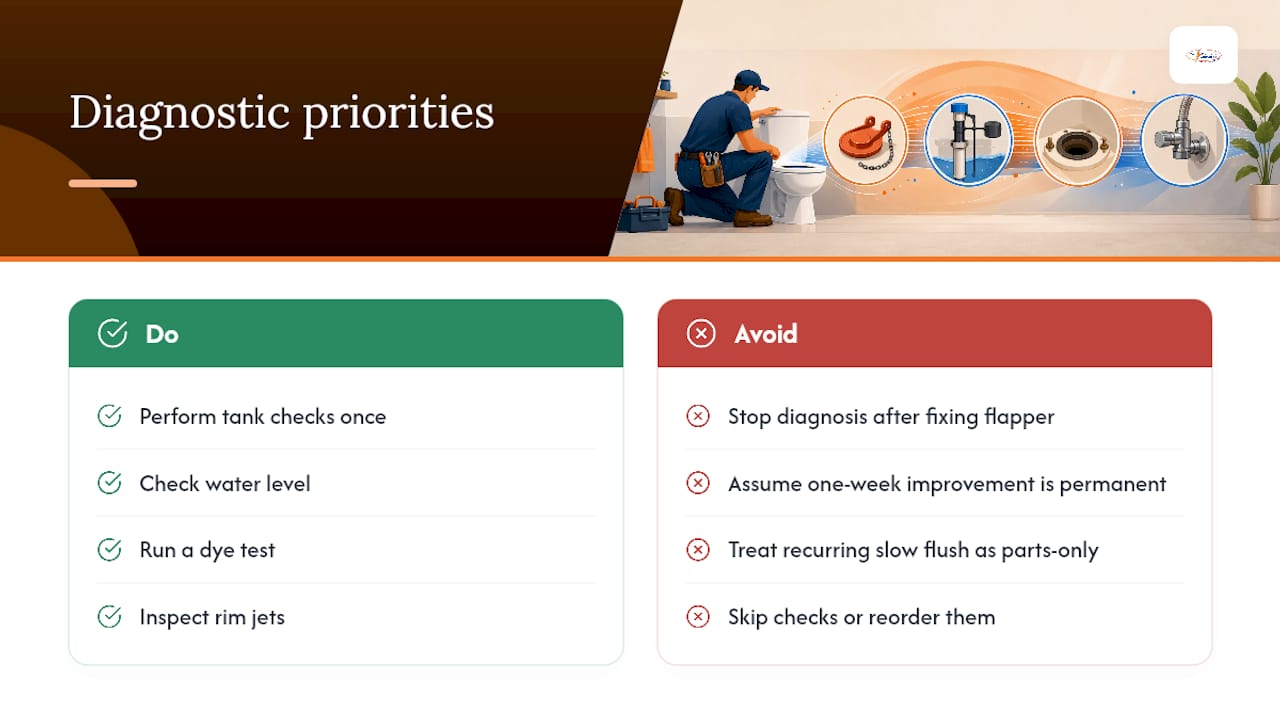
The mistake I see homeowners make isn’t a lack of effort. It’s stopping the diagnosis too early. They fix the flapper, the flush improves for a week, and they assume the problem is solved. If the real cause was a partially blocked vent or a scaling sewer line, that improvement is temporary. The water-level check, the dye test, the rim jet inspection: these matter because they rule things out in order, cheapest first. Skip that order and you’ll spend money twice.
What I’d prioritize: do the tank checks, do them once, and if the flush is still inconsistent after that, stop treating it as a parts problem.
— Lindsay Paramore
Get Your Flush Fixed Right the First Time
Tri-County Services Electric & Plumbing is the alternative to guessing your way through another trip to the hardware store. When rim jets, sewer lines, or a hidden vent blockage are behind a weak flush, no amount of flapper swapping fixes it, and a professional camera inspection finds the real cause in one visit instead of three. Our technicians handle everything from unclogging and tank repairs to camera inspection and hydrojetting for buildup or root intrusion.

When you call, expect a straightforward process: a technician inspects the fixture and the line behind it, walks you through what’s actually wrong, and gives you a clear estimate before any work starts. No guesswork, no upsell pressure. If you’re in the Richfield area or nearby Northeast Ohio, our local service page has scheduling details, and our technicians are respectful of your home and your time. If your toilet needs more than a repair, we also handle full toilet replacement. Call (440) 253-0332 today to get on the schedule.
Sources
- Bathrooms
- Toilet won’t flush? Our 9 best troubleshooting tips (BobVila)
- Toilet not flushing | Weak toilet flush (Fluidmaster)
- Why won’t my toilet flush? (Family Handyman)
FAQ
Why is my toilet not flushing but not clogged?
The bowl is likely getting weak or insufficient water flow from a low tank water level, a worn flapper leaking water between flushes, or mineral buildup blocking the rim jets. Check the tank water level first; it should sit about an inch below the overflow tube.
How do you force a toilet to flush?
Pour about 1 gallon of water into the bowl quickly and forcefully to trigger a manual siphon, which works especially well when the tank itself is empty or not refilling. Shut off the water supply first if the bowl is already close to overflowing.
What causes a toilet to stop flushing properly?
The most common causes are a clog in the trap, a disconnected or overly loose lift chain, a worn flapper that won’t seal, a low tank water level, or mineral-clogged rim jets reducing flush power. Persistent problems across multiple fixtures point to a sewer or vent issue instead.
Will pouring water into the toilet make it flush?
Yes, pouring roughly a gallon of water in quickly can generate enough force to create a siphon and clear the bowl, particularly useful during a power outage or when the tank won’t refill. It’s a temporary fix, not a repair, so the underlying cause still needs attention.
When should I call a professional instead of troubleshooting myself?
Call a professional when the toilet overflows, when a plunger and auger both fail to clear the clog, or when the weak flush keeps coming back after you’ve checked the tank parts. Tri-County Services Electric & Plumbing can be reached at (440) 253-0332 for camera inspection and hydrojetting when the problem runs deeper than the fixture itself.