
Emergency leaks require a professional emergency plumbing team, not a trip to the hardware store. Companies that answer what plumbing companies fix emergency leaks offer 24/7 leak detection, water shutoff, temporary mitigation, and permanent repair, all from technicians who arrive with stocked trucks. If you’re in Northeast Ohio, call Tri-County Services Electric & Plumbing at (440) 253-0332 for emergency dispatch. If you’re elsewhere, find a local 24/7 emergency plumbing service immediately.
Before help arrives:
- Shut off the water main
- Cut electricity to the affected area if it’s safe to reach the panel
- Move valuables away from the water
- Call an emergency professional right away
Key Takeaways
Emergency leaks require immediate professional response because standing water can start causing mold damage within 24 to 48 hours, and the homeowner’s first move, shutting off the main valve, limits damage more than any other single action.
| Point | Details |
|---|---|
| Shut off water first | Locate and close your main valve immediately; this step limits damage more than which company arrives. |
| Know true emergencies | Active flooding, sewage backup, or total water loss need immediate response; slow drips can wait. |
| Verify credentials fast | Confirm insurance, background checks, and a written estimate before letting anyone start repair work. |
| Document for insurance | Photograph damage as it happens since sudden pipe bursts are typically covered, unlike gradual leaks. |
| Call Tri-County for NE Ohio | Tri-County Services Electric & Plumbing offers stocked trucks, written estimates, and warrantied repairs at (440) 253-0332. |
Table of Contents
- What Plumbing Companies Fix Emergency Leaks?
- When Is a Leak Considered a Plumbing Emergency?
- What Happens When an Emergency Plumber Arrives?
- What Should You Do Before the Plumber Arrives?
- How Do You Choose a Reliable Emergency Plumbing Company?
- How Much Does Emergency Leak Repair Cost?
- Tri-County Services Electric & Plumbing: How We Handle Emergency Leaks
- Does Every Area Get the Same Emergency Response?
- What If Your Regular Plumbing Company Can’t Come Right Away?
- How Is Emergency Plumbing Different From Standard Service?
- Our Take: Speed Beats Perfection in a Plumbing Emergency
- Call Tri-County for 24/7 Emergency Leak Repair
- Sources
- FAQ
What Plumbing Companies Fix Emergency Leaks?
Emergency plumbing companies handle a specific range of failures, and knowing which one you’re dealing with helps you describe the problem clearly on that first call. Not every leak needs the same tools or the same urgency.
Burst or ruptured pipes top the list. A supply line failure under a sink or a split pipe in a wall dumps gallons per minute, and the fix starts with isolating that section before any repair work begins. Slab leaks and main line breaks are trickier. They hide under concrete or lawn, so crews rely on electronic leak detection and listening equipment to pinpoint the break before digging, and repairs often run longer than a standard visit.
Water heater tank failures and appliance supply-line breaks deserve their own mention because they flood fast. A cracked tank or a washing machine hose can empty dozens of gallons into a basement within an hour. Sewage backups and compromised sewer lines carry a health risk on top of the water damage, which is why providers like ARS treat sewer backups as true emergencies requiring same-day response.
- Burst supply or visible pipes: shutoff, then patch or replace
- Slab and main line leaks: detection equipment, then excavation
- Water heater and appliance failures: drain, isolate, replace
- Sewage backups: immediate response, sanitation, and repair
A fixture leak under a bathroom sink can usually wait a day. A system failure behind a wall cannot, since standing water left untreated can start growing mold within 24 to 48 hours, turning a plumbing bill into a restoration bill.
When Is a Leak Considered a Plumbing Emergency?
A handful of clear signs separate an emergency from something that can wait for a normal appointment.
- Water is actively flooding a room or won’t stop flowing
- A leak has no visible shutoff or keeps spreading despite your best effort
- Sewage has backed up into a tub, toilet, or drain inside the house
- You’ve lost all water pressure or supply suddenly, house-wide
- Your water heater is leaking heavily or making unusual noises under pressure
- A ceiling or wall is bulging, staining, or actively dripping
A slow drip from a faucet, a running toilet, or a slightly damp spot under a sink can typically hold until business hours. Those are annoyances, not emergencies.
One exception overrides everything else: if you smell gas near a plumbing fixture or notice water contacting an electrical outlet or panel, leave the property immediately and call your gas utility or 911 before calling any plumber.
What Happens When an Emergency Plumber Arrives?
The dispatcher’s first questions matter more than most homeowners expect. Telling them the leak’s location, how to access it, and whether you’ve already shut off water at the main lets the company send someone with the right equipment and cuts down on guesswork once they’re on-site.
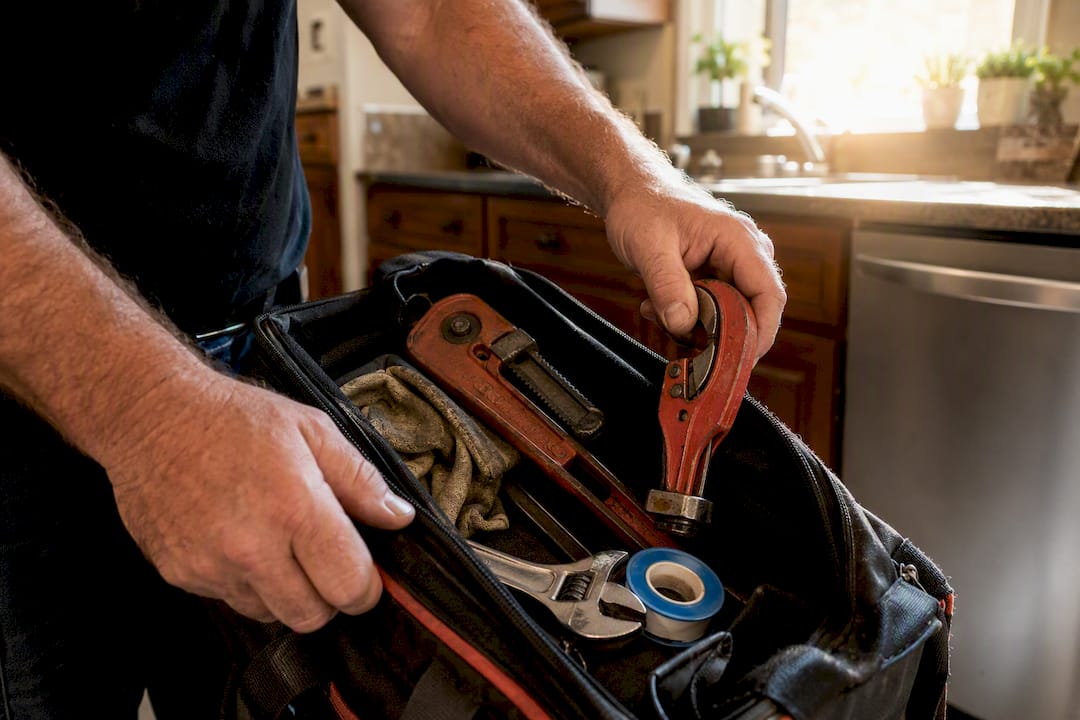
Technicians arrive with tools built for diagnosis, not just repair: electronic leak detectors, camera inspection equipment for sewer and drain lines, pressure testing gear, and specialized sensors for slab leaks. Fully stocked trucks let most emergency providers finish repairs in a single visit rather than returning with parts days later.
The visit typically follows a pattern:
- Isolate the water source to stop active damage
- Extract standing water and place temporary patches or clamps if needed
- Diagnose the root cause with detection tools
- Present a written estimate before starting permanent repair work
- Complete the repair or schedule follow-up if parts require ordering
Pro Tip: Ask the technician to walk you through the estimate line by line before signing. A legitimate company will explain labor, parts, and any after-hours fee separately, not bundle them into one vague total.
What Should You Do Before the Plumber Arrives?
Your actions in the first ten minutes often determine whether this is a repair job or a full restoration project.
- Locate your main water shutoff valve and turn it clockwise until it stops. If you’ve never done this before, learning where it is now saves precious minutes during a real emergency.
- If water is near outlets, switches, or a breaker panel, don’t touch anything electrical yourself. Leave the area and let a professional cut power safely.
- Take photos of the damage as it happens, for both your own records and any insurance claim.
- Move furniture, electronics, and boxes to higher ground or a dry room.
Resist the urge to patch a pipe yourself with tape or a repair clamp you found online. Pro Tip: A DIY patch on a pressurized line often fails within hours, and now you’re dealing with a second flood on top of the first one. Leave pipe soldering and permanent fixes to someone trained for it.
How Do You Choose a Reliable Emergency Plumbing Company?
Under pressure, most homeowners call the first number that shows up in a search. A few quick checks separate a company that’ll do the job right from one that’ll cost you twice.
Before you commit, verify:
- The company carries insured coverage and runs background checks on technicians
- After-hours or emergency fees are disclosed before the truck leaves the lot
- You’ll receive a written estimate before any repair work starts
- Repairs come with some form of warranty or guarantee
- Technicians arrive in trucks stocked with common parts, not empty-handed
When you call, ask directly: What’s your estimated arrival time? Is the truck stocked for common emergency repairs? Will I get a written estimate before work begins? Do you document repairs for insurance purposes?
A company that hesitates to answer basic questions about pricing, insurance, or arrival time is telling you something. The ones worth hiring answer without flinching, because they quote this way every single day.
Local companies with technicians already stationed nearby tend to beat national call centers on response time, which matters when every extra minute means more standing water.
How Much Does Emergency Leak Repair Cost?
Cost depends heavily on where the leak lives and how hard it is to reach. A leaking fixture under a sink might run a modest repair fee. A slab leak requiring excavation, or a main line break needing trenching, climbs fast because of labor hours and restoration work layered on top of the plumbing fix itself.
Expect these factors to move the price:
- Leak location: exposed pipe versus under a slab or behind a finished wall
- After-hours or emergency dispatch fees on top of standard labor
- Whether excavation, drywall removal, or water extraction is required
- Parts availability, since some repairs need special-order components
Get a written estimate on-site before agreeing to any repair. No honest company quotes a firm price over the phone for a leak they haven’t seen.
Insurance often covers sudden and accidental water damage, like a burst pipe, but typically excludes gradual leaks caused by long-term neglect. Reputable emergency providers photograph and document the damage as they work, which speeds up your claim later. Expect an itemized invoice covering any trip fee, after-hours surcharge, and labor separate from parts.
Tri-County Services Electric & Plumbing: How We Handle Emergency Leaks
Tri-County Services Electric & Plumbing has served Northeast Ohio families since 1975, starting as an electrical company and now offering full plumbing services, including emergency leak response, to that same community.
When you call, here’s what happens:
- Dispatch works to send a technician promptly to your property within our service area
- Trucks carry stocked parts and diagnostic tools for common emergency repairs
- You receive a written estimate before any work begins, no surprises on the invoice
- Technicians run a safety-first inspection, checking for related electrical or structural risk since our team handles both trades
- Every repair reflects the same respect-your-home approach we’ve built our reputation on since 1975
You can read more about how our team approaches leak detection and repair or check what we now offer beyond electrical work. Call (440) 253-0332 the moment you spot standing water.
Does Every Area Get the Same Emergency Response?
Response time depends heavily on where you live relative to a company’s service footprint, and this is one detail homeowners often overlook until it’s too late. A national chain advertising 24/7 availability might still route your call through a regional dispatcher, meaning “24/7” doesn’t always translate to “fast.”
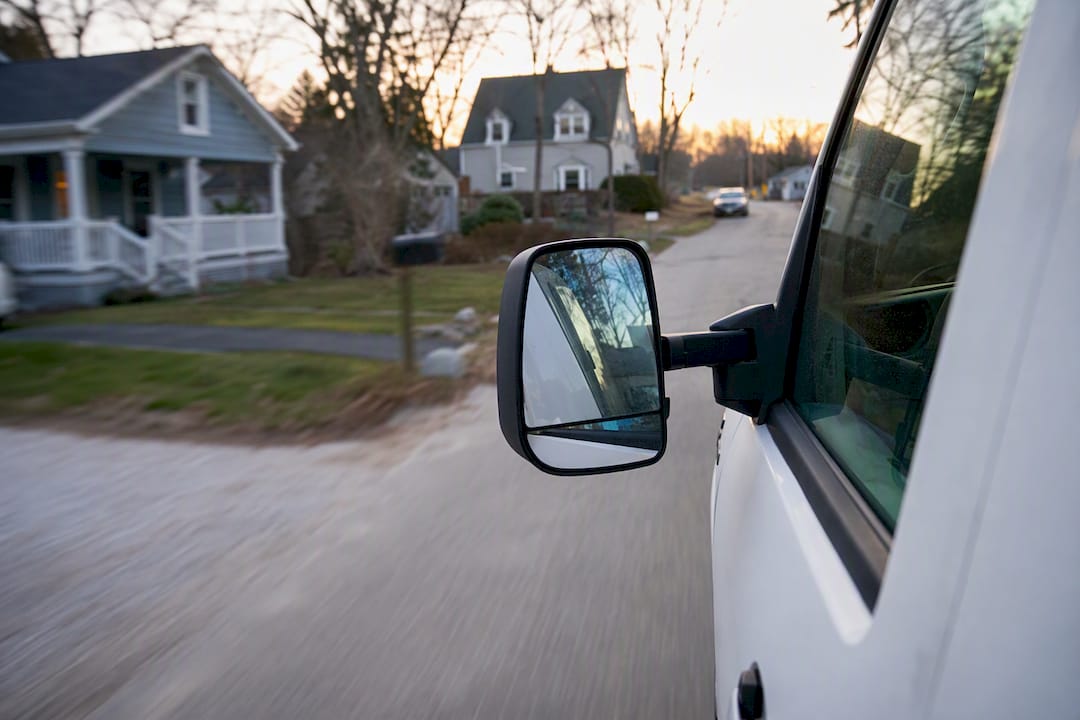
Local companies with technicians stationed across a defined region tend to close that gap. Tri-County Services Electric & Plumbing serves communities across Northeast Ohio, including Eastlake, Euclid, and Chardon, with technicians who already know the housing stock and common plumbing setups in those towns.
Rural properties and homes at the edge of a company’s service map should expect longer windows, sometimes measured in hours rather than minutes, simply because a truck has farther to travel. Dense suburban and urban areas near a company’s home base usually see the fastest turnaround.
Weather plays a role too. A hard freeze across a region can spike call volume overnight as pipes burst simultaneously across dozens of homes, stretching even a well-staffed company’s response window. Ask any company you’re considering how their availability shifts during high-demand periods like winter cold snaps or major storms, so you know what to expect before you’re standing in an inch of water waiting for a callback.
What If Your Regular Plumbing Company Can’t Come Right Away?
Every plumbing company, no matter how good, occasionally hits a night where every truck is out on a call. Knowing your backup plan before that happens keeps a bad night from becoming a disaster.
Start by shutting off the water at the main valve regardless of who’s coming. That single step stops the damage clock while you sort out who’s available, and it matters more than which company eventually shows up.
If your usual company quotes a wait time longer than you can tolerate, call a second 24/7 emergency plumbing service in your area rather than waiting it out. Most regions have more than one legitimate emergency provider, and a company that’s honest about being backed up will often say so upfront rather than stringing you along.
Keep a short list of two or three vetted local companies saved in your phone before an emergency happens, not during one. Checking what to verify before calling a plumber ahead of time means you’re not researching credentials while standing in water.
If the leak is severe enough that no one can arrive within a reasonable window, focus on mitigation. Water extraction, moving belongings, and containing the spread buy time regardless of which company eventually handles the permanent repair.
How Is Emergency Plumbing Different From Standard Service?
Standard plumbing work gets scheduled days or weeks out, priced with a flat labor rate, and handled during normal business hours with time to source parts and plan the job properly. Emergency service compresses all of that into a single urgent visit.
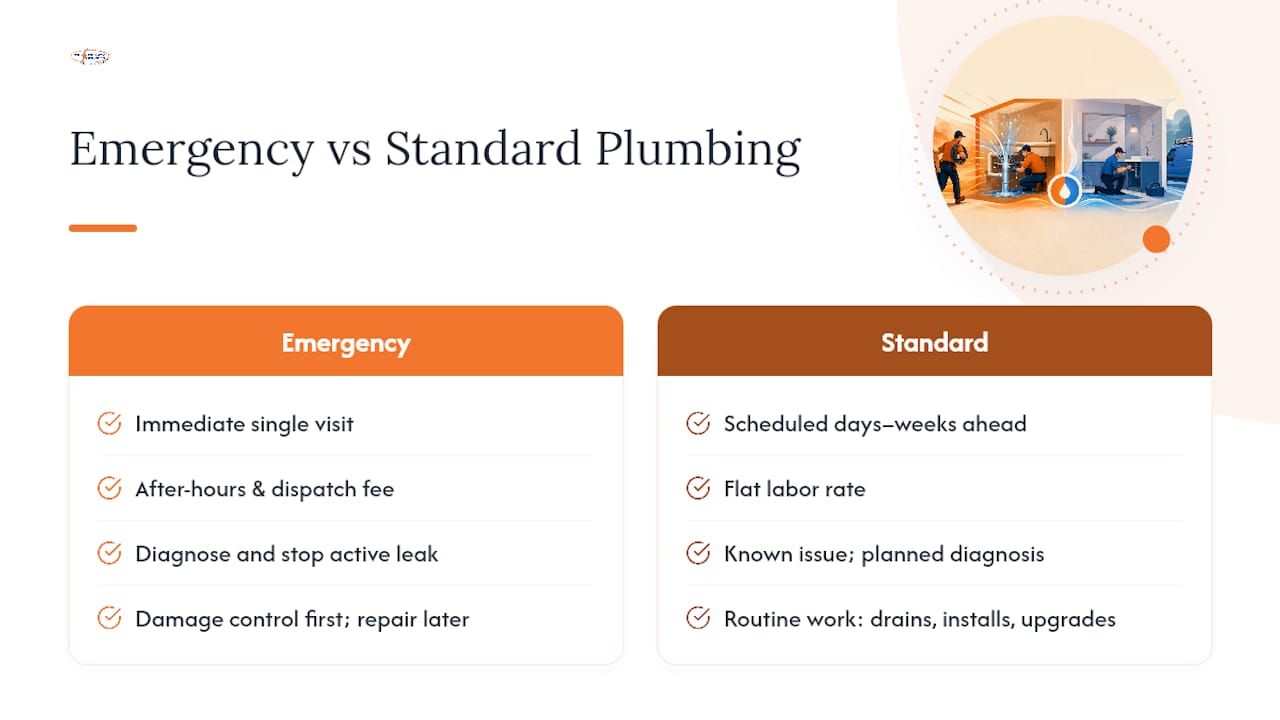
The pricing structure shifts first. Emergency calls typically carry an after-hours or dispatch fee on top of standard labor, because a company is pulling a technician off a schedule or off-call at night or on a weekend. Standard repairs don’t carry that premium.
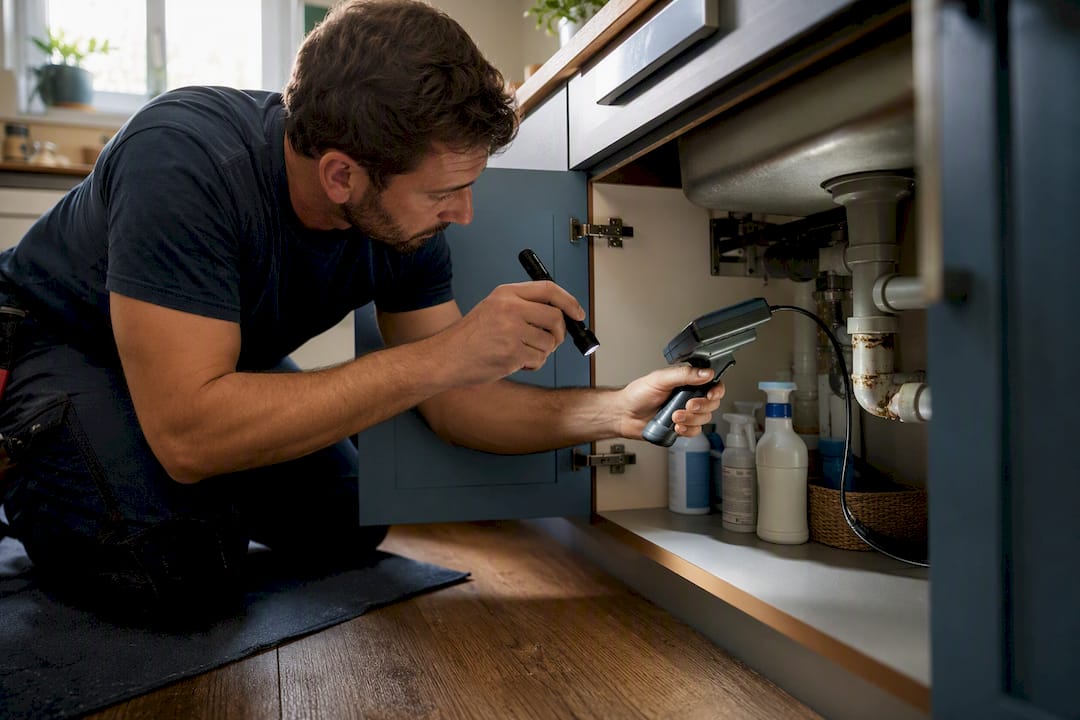
The diagnostic approach changes too. A scheduled repair often starts with a known problem the homeowner already identified. An emergency call starts with active damage and a technician who has to diagnose and stop the bleeding simultaneously, often using detection equipment a routine job wouldn’t require.
Scope also differs. Standard plumbing service might include drain clearing, fixture installs, or planned pipe upgrades scheduled around your availability. Emergency response focuses narrowly on stopping active damage first, with permanent repair sometimes following as a second visit once parts arrive or the situation stabilizes. Both matter, but only one can’t wait until Tuesday.
Our Take: Speed Beats Perfection in a Plumbing Emergency
Most advice about emergency plumbing spends too much time on vetting checklists and not enough on the ten minutes right after you spot the leak. Credentials matter, but they don’t stop water from spreading while you’re comparing reviews online.
Here’s what the evidence actually supports: the homeowner’s first move, shutting off the main valve, does more to limit damage than which company eventually shows up. A slower response from a thorough, upfront company beats a fast response from someone who shows up without the right equipment and has to leave for parts.
The conventional wisdom oversells choice paralysis. You don’t need the “best” plumber in your metro area at 2 a.m. You need someone insured, honest about pricing before they touch a wrench, and equipped to stop the bleeding on the first visit. Prioritize response speed and upfront estimates over brand recognition. A company that answers the phone honestly at midnight is worth more than one with a bigger advertising budget.
— Lindsay Paramore
Call Tri-County for 24/7 Emergency Leak Repair
A burst pipe doesn’t wait for business hours, and neither should your plumber. Tri-County Services Electric & Plumbing is the direct call for Northeast Ohio homeowners who want a technician who shows up with stocked parts, a written estimate, and no guessing games about what the repair will cost before work starts.

Because our team handles both electrical and plumbing work, we catch related hazards, like water near a panel or outlet, that a plumbing-only crew might miss. That combination matters most during a real flood, when water and electricity end up in the same room.
What you can count on when you call:
- A written estimate before any repair work begins
- Warranty coverage on completed repairs
- Dispatch across our Northeast Ohio service area, including communities like Chardon
Save the number now, before you need it: (440) 253-0332. Or check our leak detection and repair services page to see exactly what we handle before you’re standing in water at midnight.
Sources
- Emergency Plumbing | So-Cal 1 Plumbing
- Emergency Plumbing Services Near Me – Providence Plumbing & Restoration
FAQ
How much does emergency plumbing repair cost?
Costs vary widely based on leak location and complexity, with exposed pipe repairs costing far less than slab leaks requiring excavation. Always insist on a written estimate before work begins, since accurate pricing requires an on-site diagnosis.
How much would a plumber charge to fix a leak?
Pricing depends on whether the leak is a simple fixture fix or a hidden pipe requiring detection equipment and excavation, plus any after-hours dispatch fee. A written, itemized estimate before work starts is the only reliable way to know your actual cost.
What is considered an emergency plumbing issue?
True emergencies include active flooding, sewage backups, sudden total water loss, major water heater failure, and a bulging or actively dripping ceiling or wall. Minor drips or a slow-running toilet can typically wait for a standard appointment.
What should I do first when I discover a leak?
Shut off your main water valve immediately, then avoid electrical contact if water is near outlets or panels, and call an emergency professional. For Northeast Ohio properties, Tri-County Services Electric & Plumbing can be reached at (440) 253-0332 for emergency dispatch.