
When your pipes freeze, the first thing you must do is shut off the main water supply valve. That single action prevents a frozen pipe from becoming a flooded basement. Frozen pipes are the industry term for water lines that have expanded with ice, blocking flow and building dangerous internal pressure. Cleveland and Akron homeowners know how fast temperatures drop in january and february, and that speed leaves little time to react. This guide gives you the exact steps to handle frozen pipes safely, thaw them without causing more damage, and protect your home before the next cold snap hits.
What to do if your pipes freeze: first, identify the problem
Knowing you have a frozen pipe is step one. The most obvious sign is turning on a faucet and getting nothing, or just a trickle. Other signs include frost visible on exposed pipe sections, a strange smell coming from a drain or faucet (caused by blocked airflow), or a pipe that feels unusually cold to the touch.
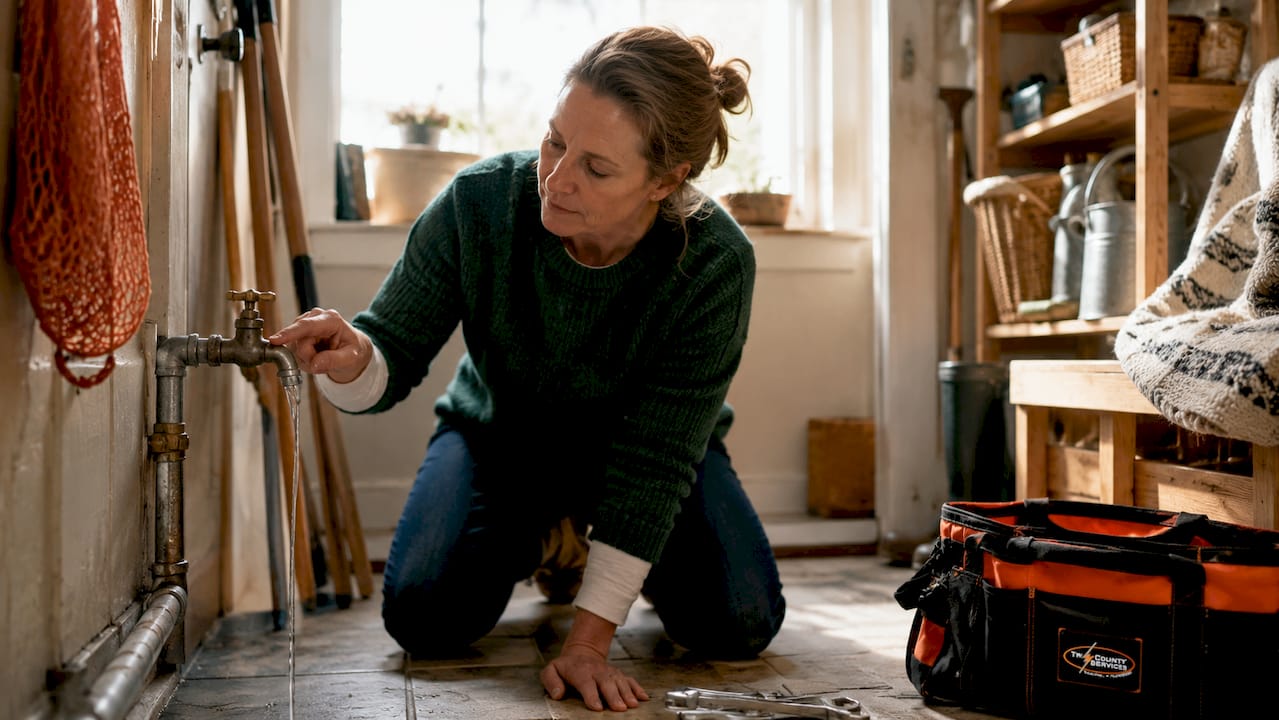
Check every faucet in the house, not just the one that stopped working. One frozen pipe often means others are frozen too, because shared wall cavities and crawl spaces expose multiple lines to the same cold air. That scope check tells you whether you are dealing with one isolated line or a whole-house problem.
The most vulnerable locations in a Northeast Ohio home include:
- Exterior walls where insulation is thin or missing
- Unheated basements and crawl spaces exposed to ground-level cold
- Garages with water supply lines running through them
- Under kitchen and bathroom sinks on exterior walls
- Pipes near drafty windows or vents
Short cold snaps can freeze pipes even when temperatures only dip below freezing for a few hours. That means a single overnight cold spell in october or november can cause damage before most homeowners think to worry about it.
How to safely thaw frozen pipes step by step
Safe thawing is a controlled process. Rushing it with the wrong heat source causes more damage than the freeze itself.
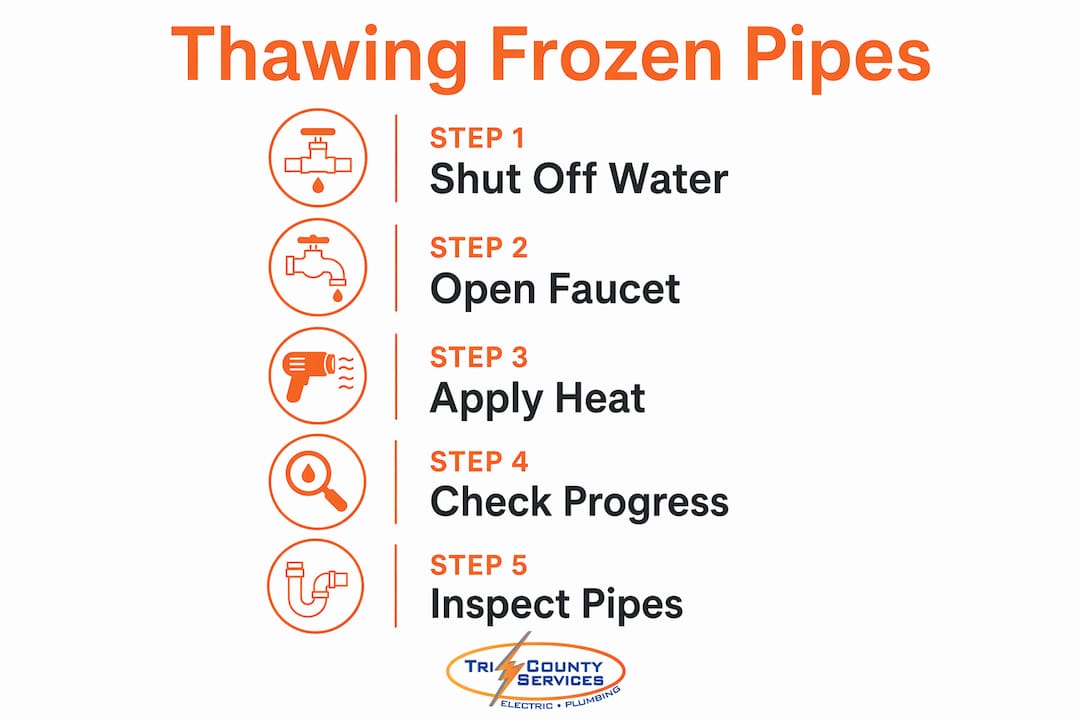
- Open the affected faucet first. Turn it to the open position before you apply any heat. As ice melts, water and steam need somewhere to go. An open faucet releases that pressure and confirms when flow has returned.
- Locate the frozen section. Trace the pipe from the faucet toward the exterior wall or unheated space. The frozen section is usually where the pipe feels coldest or shows visible frost.
- Apply heat starting at the faucet end. Work from the faucet backward toward the frozen section. This technique lets melting water drain out through the open faucet instead of trapping steam pressure between the heat source and the ice block.
- Use safe heat sources only. Electric heating pads wrapped around the pipe, a hair dryer on a low or medium setting, and warm wet towels are all effective. These tools give you control over temperature and placement.
- Avoid open flames entirely. A propane torch or any open flame near a pipe is a fire hazard and can cause the pipe to crack from sudden, uneven heat. Safe thaw methods never involve direct flame.
- Monitor the pipe continuously. Do not walk away while a heating pad or hair dryer is running. Never leave heating devices unattended during the thaw process, especially in confined spaces like under a sink cabinet.
- Stop and call a professional if flow does not return. If you have applied heat for 20 to 30 minutes with no result, the freeze may be deeper in the wall or in an inaccessible section. Continuing to push heat into an unknown location risks a burst.
Pro Tip: Keep a flashlight and a hair dryer stored near your main water shutoff valve each winter. When you need them, you will not waste time searching.
How to prevent frozen pipes before winter hits
Prevention costs far less than repair. A few targeted steps before temperatures drop protect your plumbing through the harshest Ohio winters.
- Hold your thermostat steady. Keep the thermostat at a minimum of 55°F even when you are away. Dropping the heat at night to save money increases freeze risk in exterior wall pipes. The cost of a burst pipe repair far exceeds a few extra dollars on your heating bill.
- Insulate exposed pipes. Foam pipe sleeves are the most cost-effective solution. Foam pipe insulation runs about $0.50 per linear foot and installs in minutes. Pipes in garages, crawl spaces, and unheated basements are the priority.
- Let faucets drip during extreme cold. A slow drip keeps water moving and relieves pressure from expanding ice. Focus on faucets connected to pipes on exterior walls.
- Seal drafts near plumbing. Cold air entering through gaps around pipes in exterior walls accelerates freezing. Use caulk or spray foam to close those gaps.
- Know your main shutoff valve now. Locate and test your main water shutoff valve before an emergency. Searching for it during a burst wastes critical minutes.
Here is a quick comparison of common prevention methods by cost and effort:
| Prevention method | Approximate cost | Effort level |
|---|---|---|
| Foam pipe insulation sleeves | $0.50 per linear foot | Low |
| Heat cable for pipes | $1–$3 per linear foot | Medium |
| Thermostat adjustment | No added cost | None |
| Draft sealing with caulk | $5–$15 per tube | Low |
| Faucet dripping during cold snaps | Minimal water cost | None |
If you want a deeper look at protecting your Northeast Ohio home through the full winter season, the Tri-County Services Electric & Plumbing team has put together a detailed resource on protecting your home from frozen pipes with local-specific guidance.
What to do if a pipe bursts despite your efforts
A burst pipe is a different emergency from a frozen one. Speed matters more than anything else.
Stop water flow immediately. Turn off the main water shutoff valve the moment you hear hissing, see a sudden pressure drop at faucets, or spot water spraying or pooling. Every second the valve stays open adds more water to the damage.
Pro Tip: If water is pooling near your electrical panel, outlets, or appliances, do not step into it. Shut off the electrical circuit for that area at your breaker box first, or call Tri-County Services Electric & Plumbing immediately. Water and live electricity are a life-threatening combination.
Watch for these signs that a pipe has burst rather than just frozen:
- A hissing or rushing sound inside a wall
- Sudden drop in water pressure at all faucets
- Water stains appearing on ceilings or walls
- Visible water pooling near baseboards or under cabinets
- A meter that keeps spinning after the main valve is closed
Once you have shut off the water and addressed any electrical hazards, document the damage with photos before cleanup begins. That documentation supports insurance claims. Knowing the top signs you need emergency plumbing service helps you make that call faster and with confidence.
Improper thaw attempts can turn a frozen pipe into a burst one. If you are unsure whether the pipe has already cracked, stop all DIY thawing and call a professional before applying more heat. A cracked pipe that looks intact can release a large volume of water the moment the ice plug melts.
For homeowners dealing with winter-related home damage beyond plumbing, understanding emergency home repair signs can help you catch related problems like roof damage from ice dams before they compound the situation.
Key Takeaways
Shutting off the main water valve immediately and thawing pipes from the faucet backward are the two actions that prevent the most damage when pipes freeze.
| Point | Details |
|---|---|
| Shut off water first | Turn off the main valve immediately if burst signs appear to stop flooding. |
| Thaw from faucet backward | Apply heat starting at the open faucet and work toward the frozen section to release pressure safely. |
| Use safe heat sources only | Electric heating pads and hair dryers work well; open flames cause fires and pipe damage. |
| Hold thermostat at 55°F minimum | A steady indoor temperature, even when away, significantly reduces freeze risk in vulnerable pipes. |
| Know your shutoff valve location | Locating the valve before an emergency saves critical response time during a burst. |
What I have learned after years of Northeast Ohio winters
A perspective from Lindsay Paramore
The advice most homeowners get about frozen pipes focuses on the thawing step. That is the wrong place to focus. By the time you are thawing, you have already lost control of the situation. The real leverage point is the 48 hours before a deep freeze, not the morning after.
Every winter, I see the same pattern. A homeowner drops the thermostat to 62°F at night to save on the gas bill, a cold front drops temperatures to single digits, and by morning a pipe in the garage or exterior bathroom wall is solid. The thermostat decision cost them a repair bill that is orders of magnitude larger than the heating savings.
The other mistake I see constantly is homeowners who do not know where their main shutoff valve is. They find out during a burst, while water is actively spreading across the floor. That is not the moment to learn. Walk to your basement or utility room right now and find that valve. Turn it once to confirm it moves freely. That 30-second exercise is the most valuable plumbing maintenance you can do this year.
I also want to push back on the idea that DIY thawing is always fine. For an accessible pipe under a sink, a hair dryer works well. But if the freeze is inside a wall, in a crawl space, or if multiple fixtures are affected, stop. Attempting a thaw without professional help in those situations often makes the damage worse. The cost of a professional visit is a fraction of what a burst pipe inside a finished wall will cost you.
— Lindsay Paramore
Tri-County Services Electric & Plumbing is ready when you need help
Frozen pipes do not wait for business hours, and neither does Tri-County Services Electric & Plumbing. Serving the Cleveland, Akron, and Canton area since 1975, the team handles professional pipe thawing, burst pipe repair, and full winter plumbing inspections for homeowners across Northeast Ohio.
Whether you need emergency help right now or want to schedule a preventive inspection before the next cold snap, Tri-County Services Electric & Plumbing brings certified technicians who respect your home and get the job done right. The team also addresses electrical safety concerns when water damage reaches wiring or panels. Reach out through tricountyelectricservice.com or call (440) 325-0136 to speak with a local professional today.
FAQ
What is the first thing to do when pipes are frozen?
Shut off the main water supply valve immediately, then open the affected faucet to relieve pressure. This prevents a frozen pipe from bursting and flooding your home before you begin thawing.
How do I thaw a frozen pipe safely?
Use an electric heating pad or hair dryer, starting at the open faucet and working backward toward the frozen section. Never use an open flame, and never leave a heating device unattended.
At what temperature do pipes freeze?
Pipes begin to freeze when water inside them drops to 32°F, but the real risk of bursting occurs when temperatures stay well below freezing for extended periods, especially in unheated or exterior spaces.
Should I call a plumber for frozen pipes?
Call a professional if the frozen section is inside a wall, if multiple fixtures are affected, or if you see any signs of a burst such as hissing sounds, pressure drops, or visible leaks. DIY thawing in inaccessible areas can worsen the damage.
How do I prevent pipes from freezing again?
Keep your thermostat at 55°F or above at all times, insulate exposed pipes with foam sleeves, let faucets drip during extreme cold, and seal drafts near plumbing on exterior walls.